.png)
Productos
Inicio

Solicitud
Nuestra historia
Blog
Centro de producción
Comercio electrónico
Descubre
Contactar

Obtenga una cotización
Obtenga una cotización
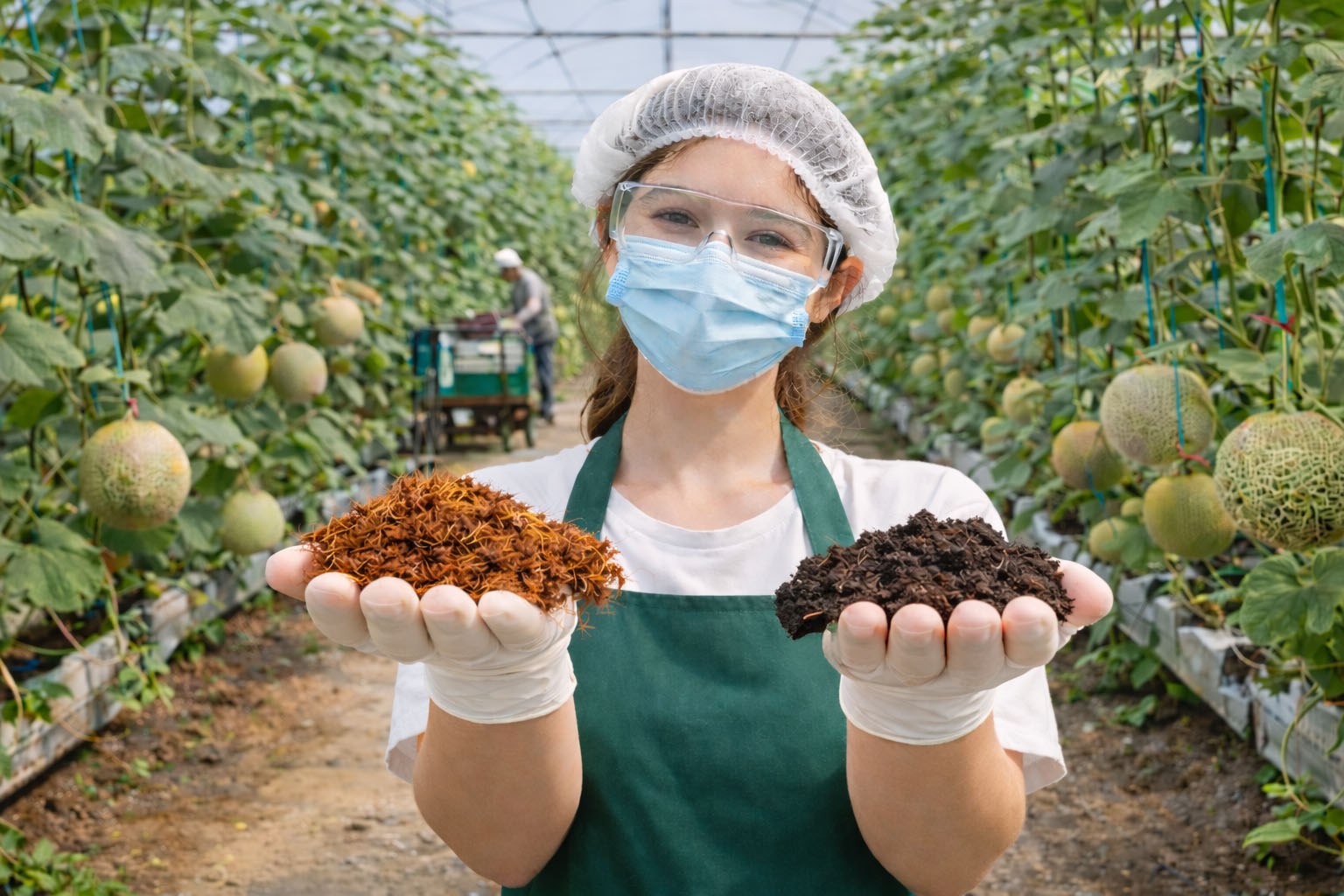
For generations, soil has been the go-to growing medium for a wide range of crops. However, its long-standing dominance is slowly being challenged with the emergence of alternative growing media. Recent research has concluded that organic matter in many soils has fallen below critical levels. As soil quality continues to deteriorate across several regions (a serious ecological problem facing the human race), farmers are increasingly being driven to seek reliable and sustainable substitutes for traditional soil-based cultivation.
Now, you may ask, if not soil, then what can be used to grow crops? The prompt response from the global farming fraternity is coco coir that has emerged as its first choice for industrial-scale cultivation. Coco coir offers many benefits that continue to delight the farmers. Expert Market Research, a premier market intelligence firm, has estimated that the global market for coco coir will grow at a Compound Annual Growth Rate (CAGR) of 8.1% from 2023 to 2028.
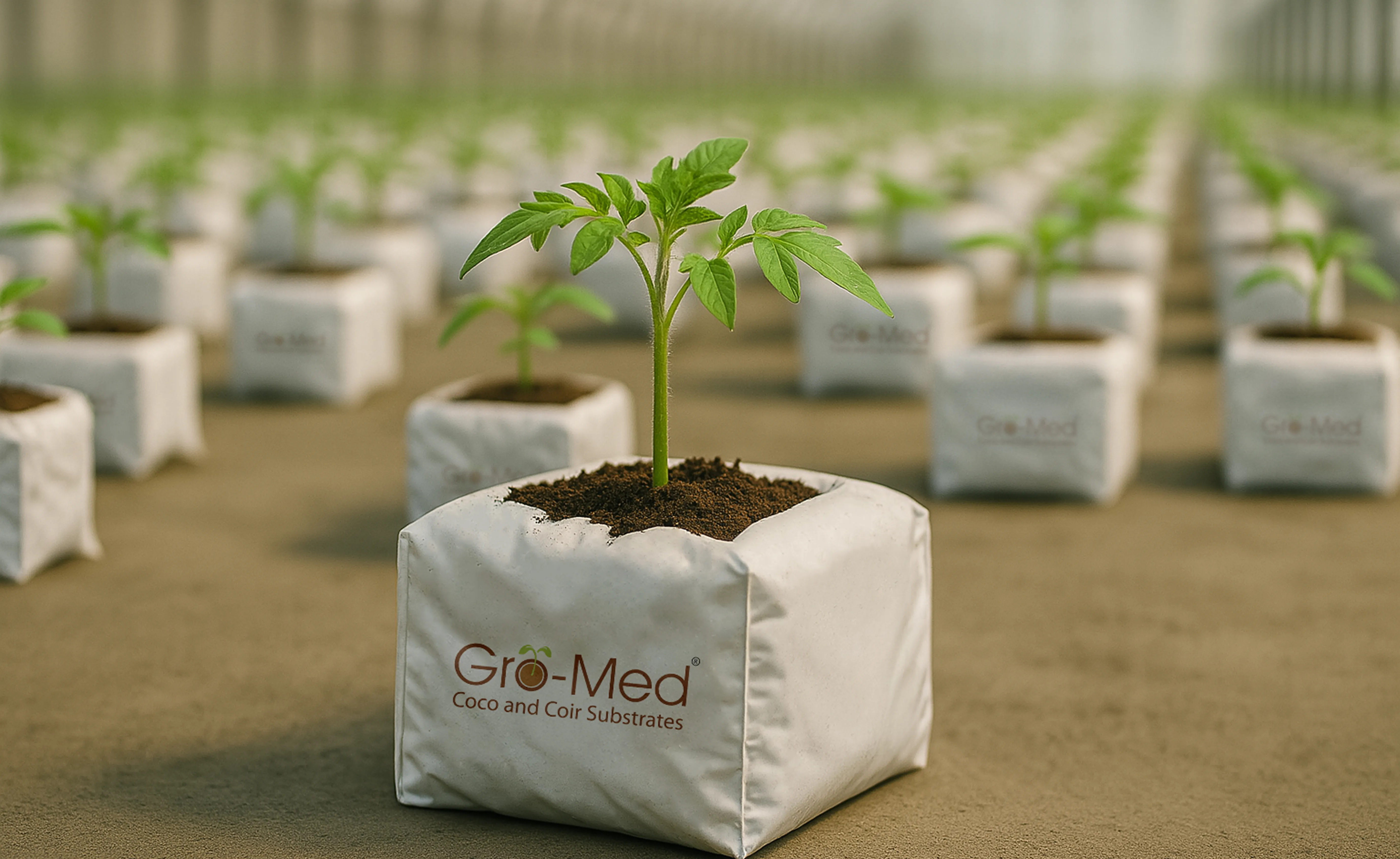
Coco coir is increasingly emerging as a preferred alternative to soil in commercial farming, especially within greenhouse and hydroponic operations. As a sustainable and renewable growing medium, it overcomes many of the drawbacks of conventional soil cultivation, including difficulties in nutrient control and the prevalence of soil-borne diseases, while delivering improved water-holding capacity and better root-zone aeration.
Here’s a closer look at the key reasons coco coir is driving this shift in modern agriculture:
· Optimal Aeration: Coco coir’s fibrous texture creates high air-filled porosity, ensuring proper root respiration and preventing the compaction problems often associated with heavy or dense soils.
· High Water Holding Capacity: Coco coir can retain approximately 7.5 to 11 times its own weight in water, providing plants with a steady moisture supply while maintaining effective drainage.
· Improved Growth Rates: With improved oxygen supply and precise moisture control, crops tend to grow faster and develop stronger, healthier plants than those grown in soil.
· Sterile Medium: Since coco coir is derived from coconut husks, it is inherently free of soil-borne diseases, harmful pathogens, and weed seeds.
· Natural Anti-Fungal Properties: Coco coir possesses natural characteristics that help inhibit fungal growth, lowering the reliance on chemical pesticides and fungicides.
· Renewable Resource: Unlike peat moss—extracted from fragile and environmentally sensitive bogs, coco coir is sustainably sourced as a byproduct of the coconut industry.
· Biodegradable: It is completely biodegradable and can be composted at the end of its use, supporting a more circular and sustainable agricultural system.
· Waste Valorization: It upcycles coconut husk fibers that were previously burned or thrown away, turning agricultural waste into a high-value resource.
· pH Neutral: Coco coir typically maintains a near-neutral pH of about 5.5 to 6.5, making it suitable for a broad range of crops and enabling precise, manageable nutrient control.
· Cation Exchange Capacity (CEC): Coco coir has a high Cation Exchange Capacity (CEC), allowing it to hold essential nutrients and gradually make them available to plants as required.
· Easy to Use and Transport: Coco coir is commonly available in compressed blocks or bricks, which greatly reduces transportation and storage costs.
· Reusability: Premium-quality coco coir can be reused for several growing cycles—often up to five years—making it a cost-effective option in the long run.
· Hydroponic Compatibility: Its uniform and stable structure makes it perfectly suited for automated drip irrigation and hydroponic systems.
Challenges to consider before deciding to use coco coir:
Farmers must sort out the following aspects before utilizing coco coir in their farms.
· Nutrient Management: Coco coir is an inert growing medium and contains no nutrients of its own, so it depends on consistent and carefully managed nutrient solution feeding.
· Initial Salinity: Lower-grade coco coir can sometimes have elevated salt levels, making proper washing and rinsing absolutely mandatory before it is used.
· Nutrient Lockout: Coco coir can bind calcium, magnesium, and iron, so growers often need to supplement with targeted nutrients—such as CalMag—to prevent deficiencies.
As commercial agriculture continues to evolve, the limitations of traditional soil-based farming are becoming increasingly difficult to ignore. Declining soil health, rising disease pressure, and the need for greater resource efficiency are pushing growers to rethink conventional practices. In this context, coco coir has emerged as a compelling and future-ready alternative.
With its superior water and air management, natural resistance to diseases, environmental sustainability, and compatibility with modern farming systems such as greenhouses, hydroponics, and vertical farms, coco coir offers a balanced solution to both productivity and sustainability challenges. While it does require careful nutrient management and quality control, these challenges are manageable and are far outweighed by its long-term benefits.
As global demand for high-quality, sustainably produced food continues to rise, coco coir is poised to play a critical role in shaping the next generation of commercial farming. Its growing adoption is not just a trend, but a clear indication of agriculture’s shift toward smarter, cleaner, and more resilient growing systems.
This article was originally featured on Medium
For generations, soil has been the go-to growing medium for a wide range of crops. However, its long-standing dominance is slowly being challenged with the emergence of alternative growing media. Recent research has concluded that organic matter in many soils has fallen below critical levels. As soil quality continues to deteriorate across several regions (a serious ecological problem facing the human race), farmers are increasingly being driven to seek reliable and sustainable substitutes for traditional soil-based cultivation.
Now, you may ask, if not soil, then what can be used to grow crops? The prompt response from the global farming fraternity is coco coir that has emerged as its first choice for industrial-scale cultivation. Coco coir offers many benefits that continue to delight the farmers. Expert Market Research, a premier market intelligence firm, has estimated that the global market for coco coir will grow at a Compound Annual Growth Rate (CAGR) of 8.1% from 2023 to 2028.
Coco coir is increasingly emerging as a preferred alternative to soil in commercial farming, especially within greenhouse and hydroponic operations. As a sustainable and renewable growing medium, it overcomes many of the drawbacks of conventional soil cultivation, including difficulties in nutrient control and the prevalence of soil-borne diseases, while delivering improved water-holding capacity and better root-zone aeration.
Here’s a closer look at the key reasons coco coir is driving this shift in modern agriculture:
· Optimal Aeration: Coco coir’s fibrous texture creates high air-filled porosity, ensuring proper root respiration and preventing the compaction problems often associated with heavy or dense soils.
· High Water Holding Capacity: Coco coir can retain approximately 7.5 to 11 times its own weight in water, providing plants with a steady moisture supply while maintaining effective drainage.
· Improved Growth Rates: With improved oxygen supply and precise moisture control, crops tend to grow faster and develop stronger, healthier plants than those grown in soil.
· Sterile Medium: Since coco coir is derived from coconut husks, it is inherently free of soil-borne diseases, harmful pathogens, and weed seeds.
· Natural Anti-Fungal Properties: Coco coir possesses natural characteristics that help inhibit fungal growth, lowering the reliance on chemical pesticides and fungicides.
· Renewable Resource: Unlike peat moss—extracted from fragile and environmentally sensitive bogs, coco coir is sustainably sourced as a byproduct of the coconut industry.
· Biodegradable: It is completely biodegradable and can be composted at the end of its use, supporting a more circular and sustainable agricultural system.
· Waste Valorization: It upcycles coconut husk fibers that were previously burned or thrown away, turning agricultural waste into a high-value resource.
· pH Neutral: Coco coir typically maintains a near-neutral pH of about 5.5 to 6.5, making it suitable for a broad range of crops and enabling precise, manageable nutrient control.
· Cation Exchange Capacity (CEC): Coco coir has a high Cation Exchange Capacity (CEC), allowing it to hold essential nutrients and gradually make them available to plants as required.
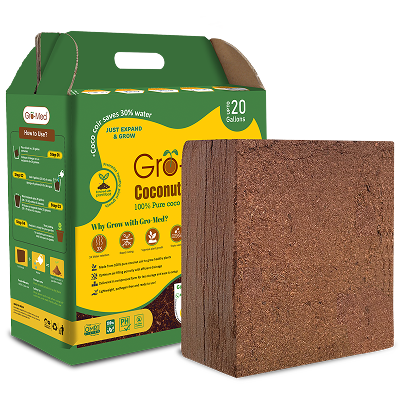
· Easy to Use and Transport: Coco coir is commonly available in compressed blocks or bricks, which greatly reduces transportation and storage costs.
· Reusability: Premium-quality coco coir can be reused for several growing cycles—often up to five years—making it a cost-effective option in the long run.
· Hydroponic Compatibility: Its uniform and stable structure makes it perfectly suited for automated drip irrigation and hydroponic systems.
Challenges to consider before deciding to use coco coir:
Farmers must sort out the following aspects before utilizing coco coir in their farms.
· Nutrient Management: Coco coir is an inert growing medium and contains no nutrients of its own, so it depends on consistent and carefully managed nutrient solution feeding.
· Initial Salinity: Lower-grade coco coir can sometimes have elevated salt levels, making proper washing and rinsing absolutely mandatory before it is used.
· Nutrient Lockout: Coco coir can bind calcium, magnesium, and iron, so growers often need to supplement with targeted nutrients—such as CalMag—to prevent deficiencies.
As commercial agriculture continues to evolve, the limitations of traditional soil-based farming are becoming increasingly difficult to ignore. Declining soil health, rising disease pressure, and the need for greater resource efficiency are pushing growers to rethink conventional practices. In this context, coco coir has emerged as a compelling and future-ready alternative.
With its superior water and air management, natural resistance to diseases, environmental sustainability, and compatibility with modern farming systems such as greenhouses, hydroponics, and vertical farms, coco coir offers a balanced solution to both productivity and sustainability challenges. While it does require careful nutrient management and quality control, these challenges are manageable and are far outweighed by its long-term benefits.
As global demand for high-quality, sustainably produced food continues to rise, coco coir is poised to play a critical role in shaping the next generation of commercial farming. Its growing adoption is not just a trend, but a clear indication of agriculture’s shift toward smarter, cleaner, and more resilient growing systems.
This article was originally featured on Medium


.jpg)

.svg)

.png)