.png)
Productos
Inicio

Solicitud
Nuestra historia
Blog
Centro de producción
Comercio electrónico
Descubre
Contactar

Obtenga una cotización
Obtenga una cotización
.jpg)
As growers worldwide shift toward more sustainable cultivation practices, the choice of growing medium has become just as important as crop genetics and nutrition. Two of the most commonly compared substrates today are coco coir and peat moss. While both are widely used in horticulture, greenhouse farming, and hydroponics, their environmental impact, performance, and long-term viability differ significantly.
This guide breaks down the differences clearly—helping growers make informed, future-ready decisions.
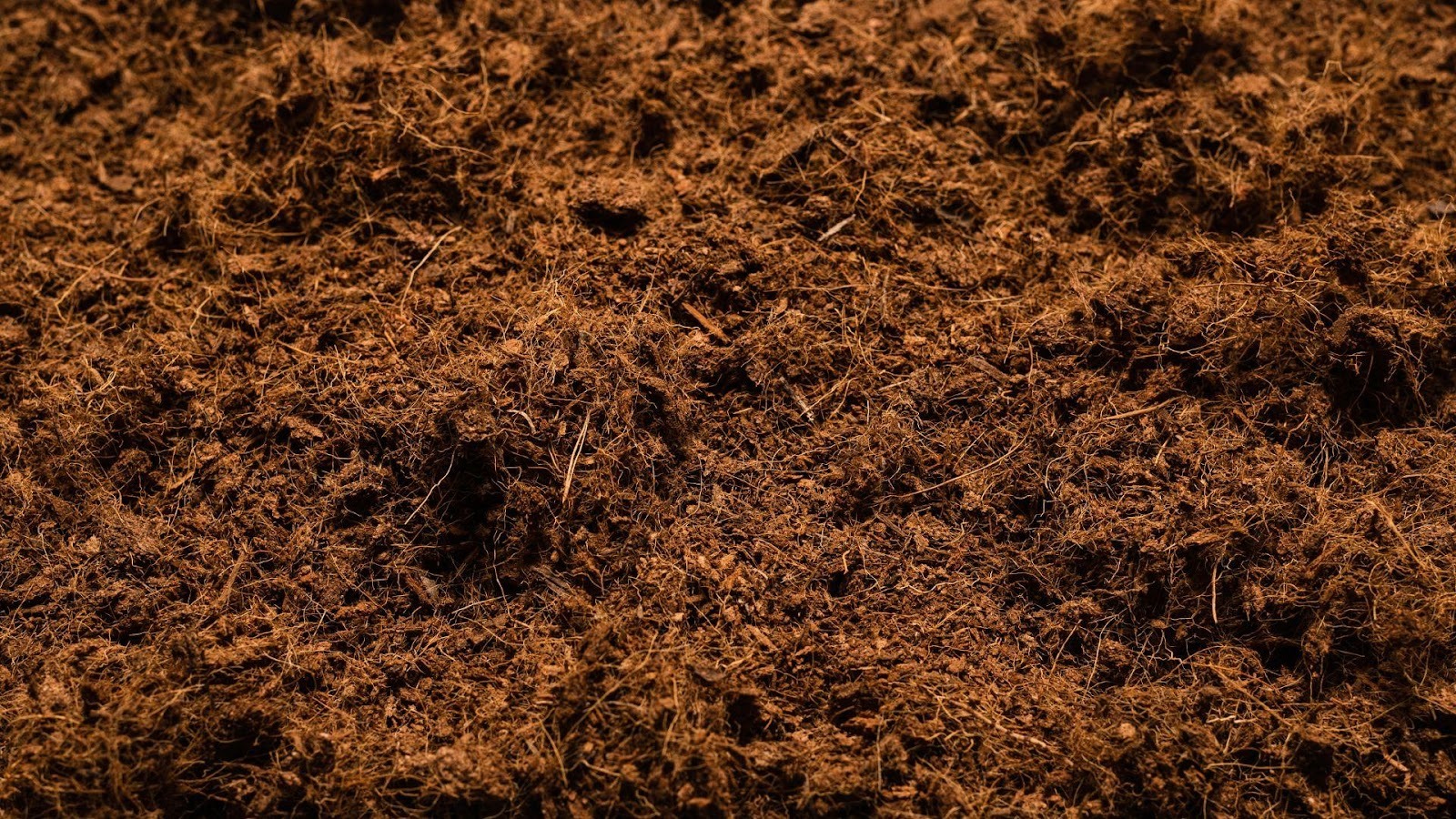
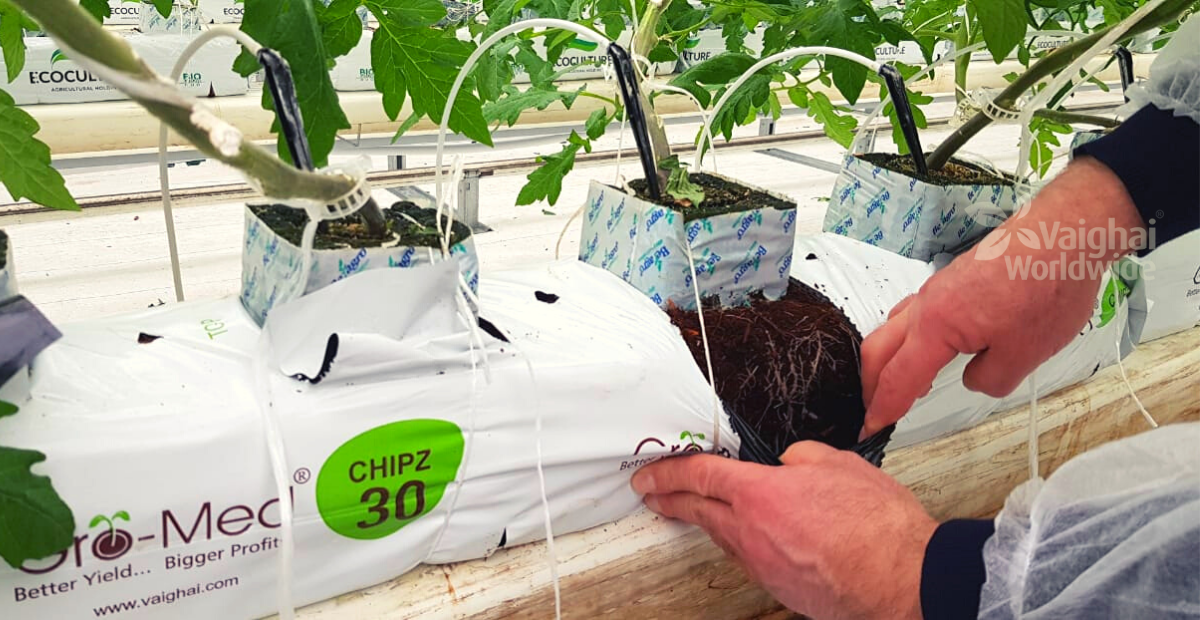
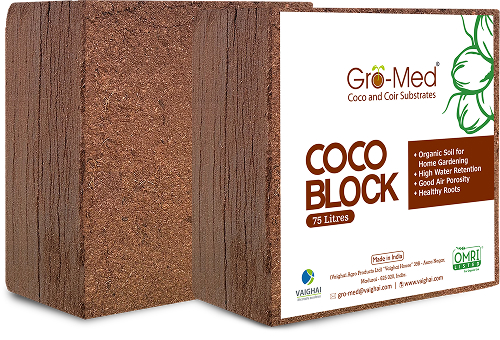
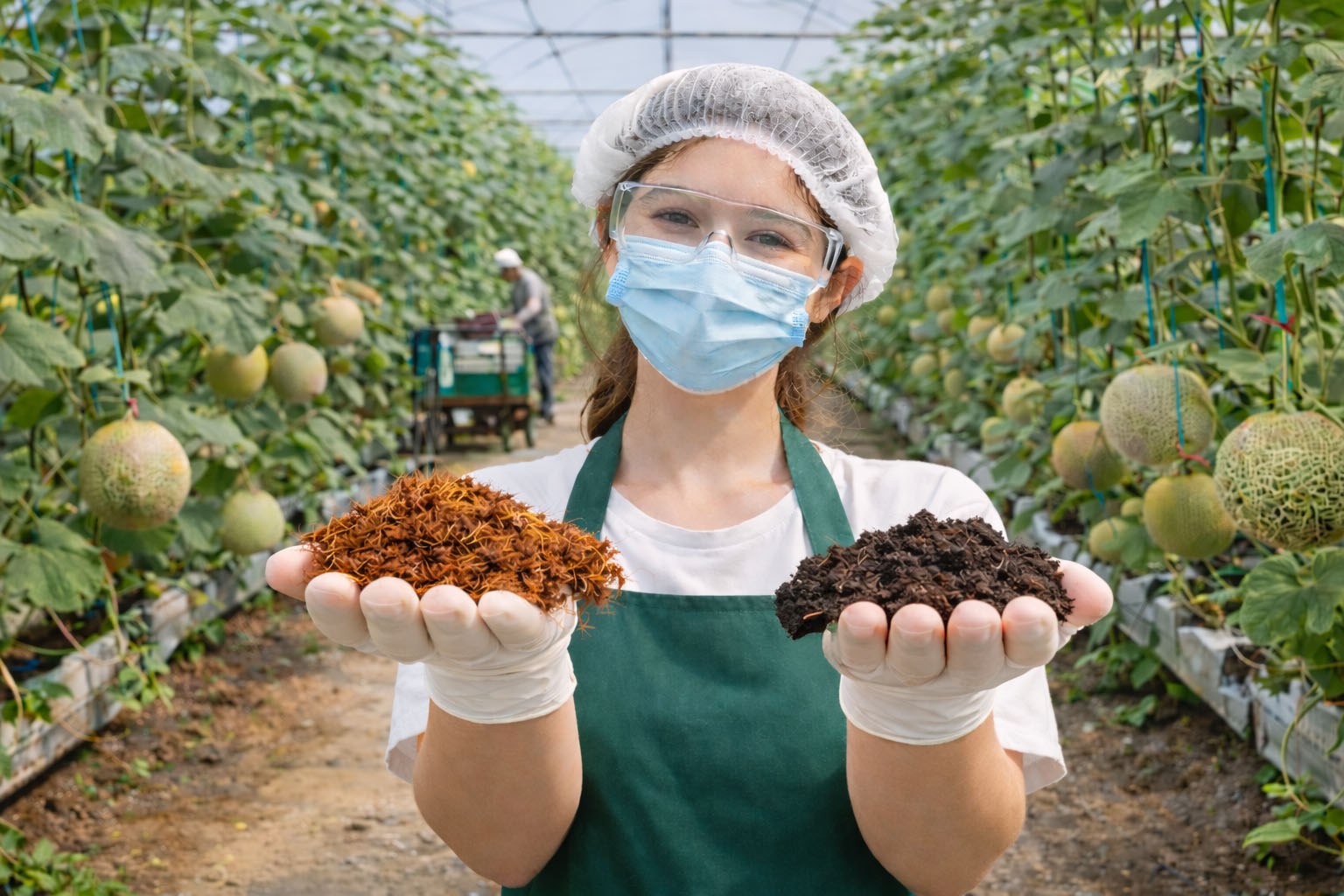
Coco coir is a natural byproduct of coconut processing, extracted from the husk of coconuts. Once considered agricultural waste, it is now transformed into blocks, slabs, grow bags, and loose substrates used across modern farming systems.
Key Characteristics
Coco coir is especially popular in soilless farming, berry cultivation, hydroponics, and greenhouse production due to its structural stability and consistency.

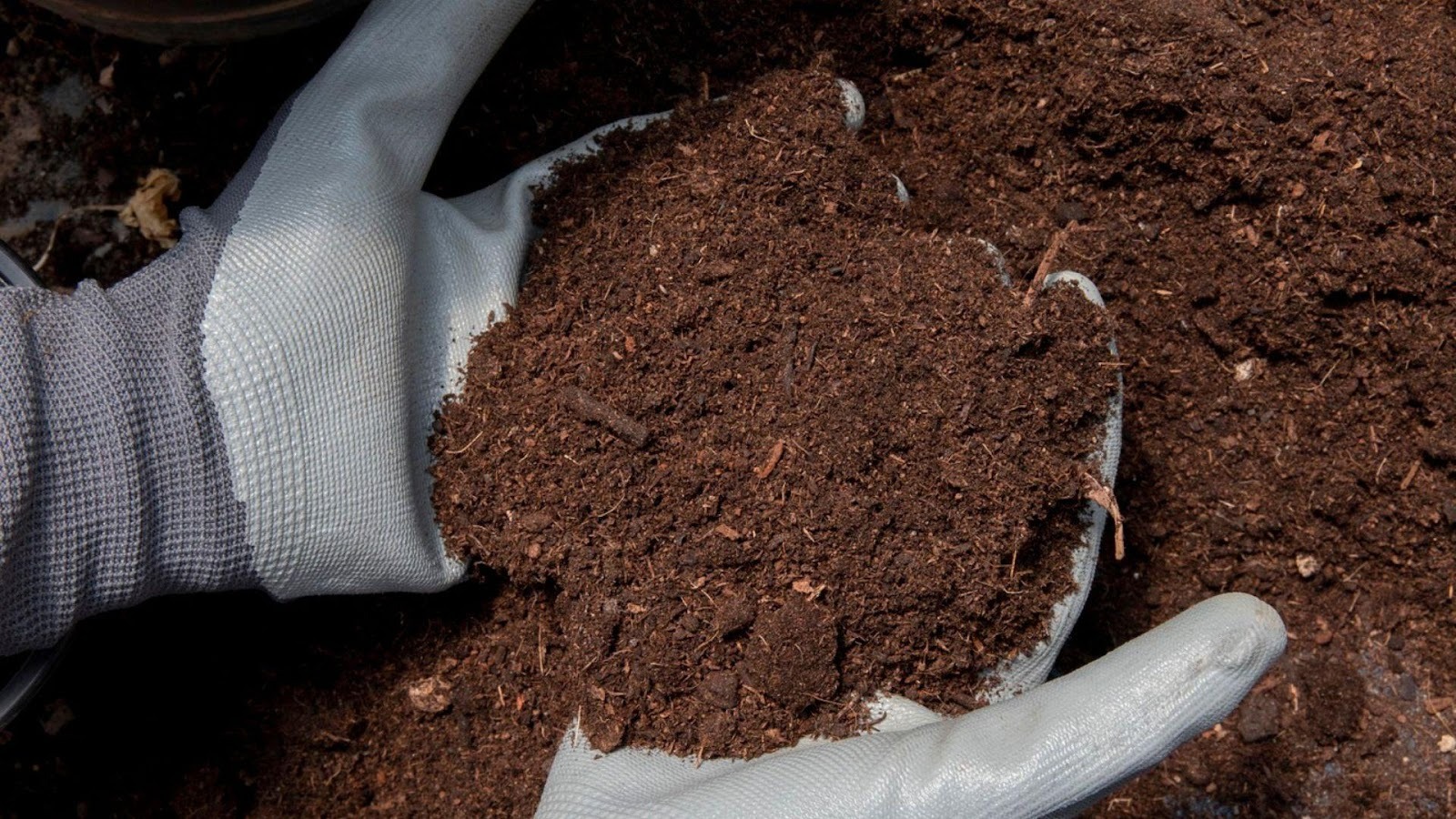
Peat moss is harvested from peat bogs—wetland ecosystems that take thousands of years to form. It has been traditionally used in potting mixes for its moisture retention and acidity.
Key Characteristics
However, peat extraction raises serious environmental concerns due to ecosystem destruction and carbon release.
Bottom line: Coco coir is the clearly sustainable choice.
Coco coir offers a balanced air–water ratio, allowing roots to breathe while staying hydrated. This promotes:
Peat moss, while highly absorbent, can become compacted over time—limiting oxygen flow to roots and increasing the risk of root stress.
For commercial growers, this difference has a direct impact on operational costs and sustainability metrics.
With global agriculture moving toward:
Coco coir has emerged as the preferred alternative to peat moss—not just for environmental reasons, but also for performance, consistency, and scalability.
If you are a modern grower focused on sustainability, root health, and long-term efficiency, coco coir clearly stands ahead of peat moss.
Coco coir isn’t just a substitute—it’s an upgrade.
It supports healthier crops, protects the planet, and aligns with the future of agriculture.


.jpg)

.svg)
%201.png)
%201.png)