.png)


Get A quote
Get A quote
.jpg)
Blueberry farming is both rewarding and challenging. While consumers crave their sweetness, vibrant color, and antioxidant punch, growers face a constant uphill battle—soil that drains poorly, fluctuating pH levels, high fertilizer losses, and relentless threats from root diseases. These hurdles often limit both yield and fruit quality.
This is why more and more blueberry farmers are moving away from traditional soil systems and embracing coco coir substrates. The results? Healthier plants, reduced input costs, and yield gains of 20–40%.
So, what makes coir so effective for blueberries?
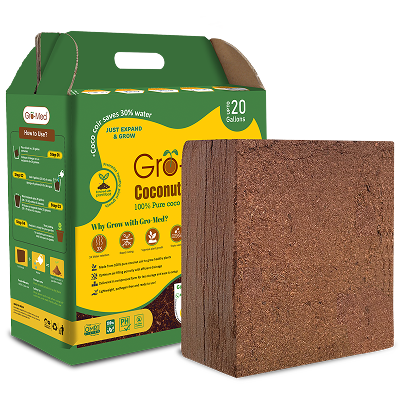
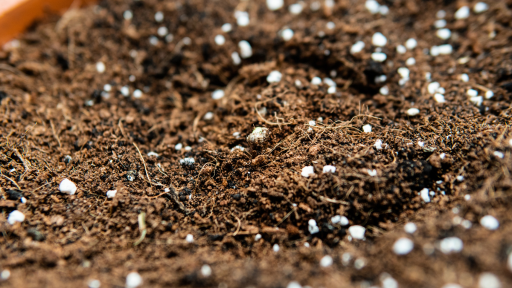
Blueberries love moisture, but their roots are extremely sensitive to excess water. Coco coir holds water like a sponge while maintaining excellent drainage. When blended with coco husk chips, the substrate creates natural air pockets that allow roots to breathe. This balance reduces the risk of root rot and promotes strong, deep root growth.
Ultra-Low EC
Excess salts can devastate blueberries. That’s why we ensure Gro-Med coir is triple washed, aged, and delivered at EC < 0.3. This ultra-low salt substrate provides a stress-free base for blueberry roots
Balanced pH
Maintaining the right acidic pH is critical for blueberries. Traditional soils often swing up and down, forcing growers to spend heavily on corrections. Coco coir offers a naturally stable pH, staying closer to the ideal range for blueberries. This means fewer adjustments, lower input costs, and plants that stay in their comfort zone year-round.
Improved Nutrient Retention
Soil-grown blueberries often suffer from nutrient leaching, where rain or irrigation washes fertilizers away, raising costs without boosting yield. Coco coir, with its high CEC, acts as a nutrient bank, holding calcium, magnesium, potassium and releasing them steadily. This means less fertilizer, lower costs, and consistently high-quality fruit.
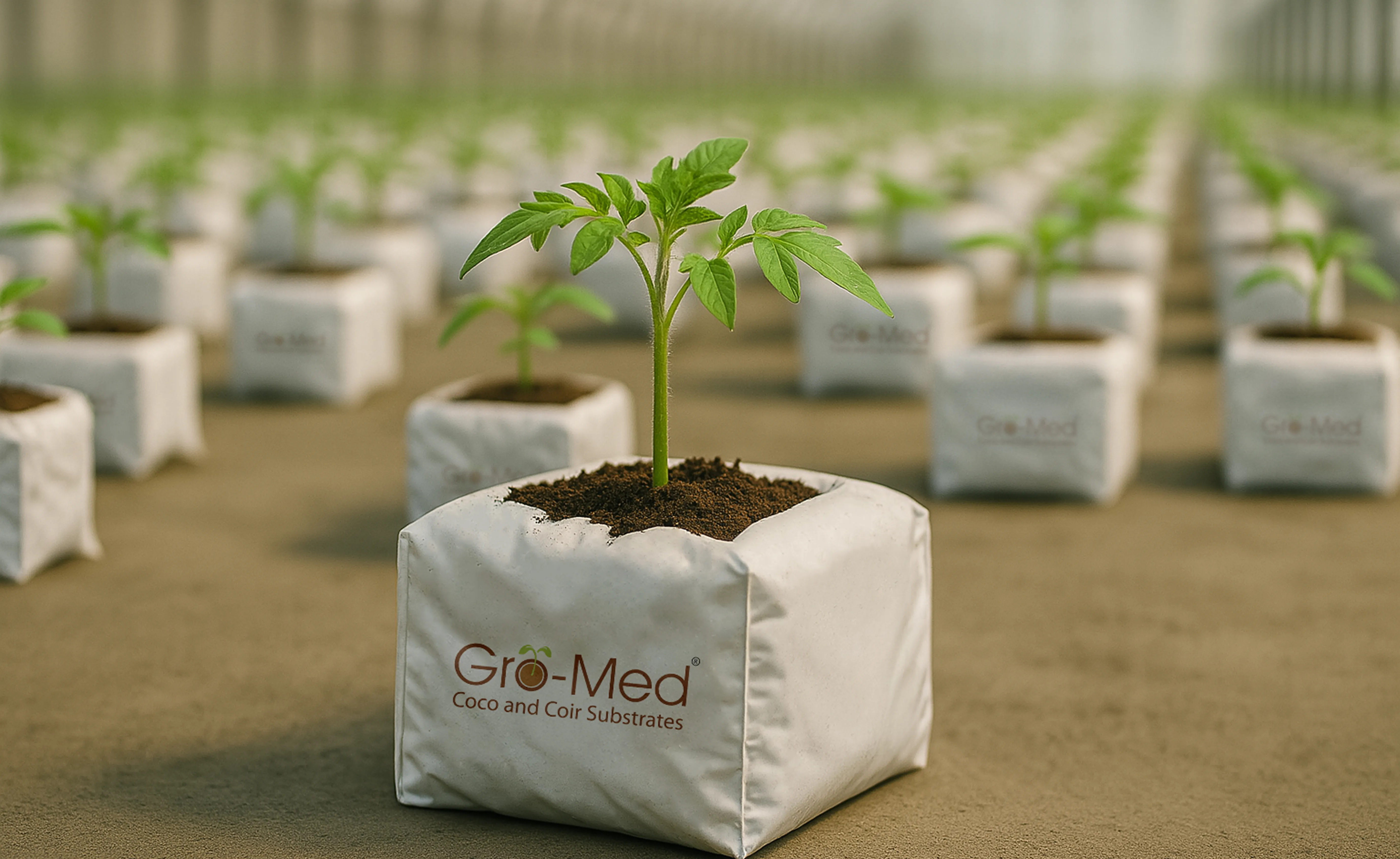
By moving blueberries into containers or pop-up bags filled with coir, growers effectively cut off contact with soil, where pathogens such as Phytophthora (root rot) and Pythium thrive.
Research has shown that soilless cultivation systems significantly reduce the incidence of soil-borne diseases. This means fewer crop losses, reduced dependence on chemical controls, and more consistent yields.
Sustainability and Reuse
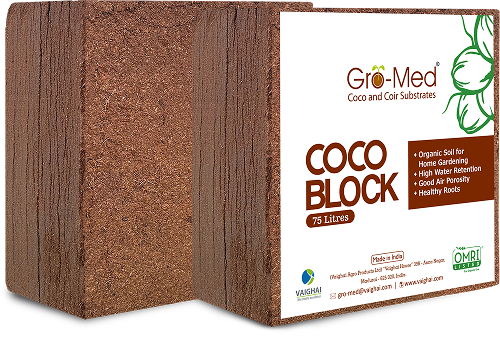
Coco coir is an upcycled by-product of the coconut industry, giving new life to what would otherwise be waste. Unlike peat moss, which is mined and non-renewable, coir is a sustainable resource that helps reduce environmental impact. With proper sterilization and care, coir substrates can be reused across multiple growing cycles, lowering production costs
From Fall Creek to Blueray and Duke, Gro-Med Blue-B is designed to support all blueberry genetics 🫐. Try our Gro-Med Blueberry Superior Mix to give your plants the best start. 📩 Have questions? The Gro-Med team is here to help—reach out anytime for guidance on getting healthier plants and higher yields.


.png)
.jpg)

.svg)
.png)